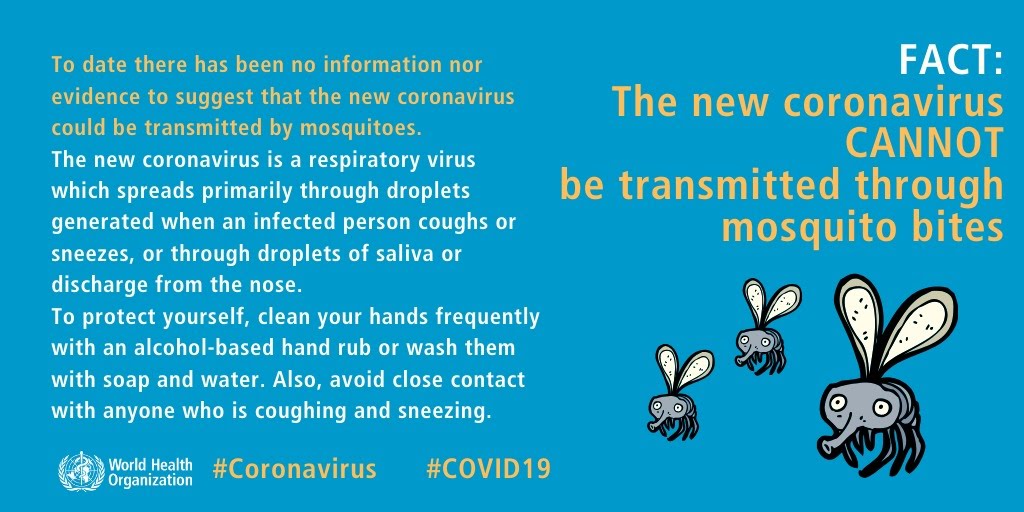
How serious is the 2019- 20 Corona virus?

How Corona virus spreading all over the world so fast?


COVID-19, the disease caused by the new Corona virus (SARS-CoV-2), continues to spread around the world.


According to the WHO , globally there have been almost 1,80,000 confirmed cases of people sickened by COVID-19 and close to 7,500 people have died from the disease- a death severe acute respiratory syndrome (SARS) epidemic that occurred in 2002 and 2003.

Officials everywhere have implemented measures to contain the virus, including cancellation, closers, travel restrictions and quarantines.

Is COVID-19 a pandemic?


The WHO World health organization has officially called the disease a pandemic- a disease outbreak occurring over a wide geographic area and affecting and exceptionally high proportion of the population.
The United States has declared the pandemic a national emergency, and States throughout the country are taking major measures to slow the spread of the disease.

There is also more than to learn about how COVID-19 spread - and how contagious it is?


Some facts about the ongoing issue


Resource https://www.cdc.gov/


Comments

Post a Comment

Popular posts from this blog

"Why are Greenhouse gases called so?" Do you have any idea?

The Greenhouse Effect is a process that occurs when gases in Earth's atmosphere trap the Sun's heat. This process increase the Earth's temperature. The Greenhouse Effect is one of the things that makes Earth a comfortable place to live. Why it is called Greenhouse Effect? Because the Greenhouse Effect works like a Greenhouse. A Greenhouse is a building with glass walls and a glass roof. Greenhouses are used to grow plants , such as tomatoes and tropical flowers. A Greenhouse capture heat from the Sun during the day. It's glass walls trap the Sun's heat, which keeps plants inside the Greenhouse warm - even in cold nights. If it weren't greenhouses gases , Earth would be an extremely cold , deserted planet. Plants couldn't grow and and animals like us wouldn't be able to survive. What are Greenhouse gases? Greenhouses gases are found in Earth's atmosphere. They can trap the solar radiation/ ...

Do you want to know some mind-blowing facts about the planet Earth?

Earth , our home, is the 3rd planet from the Sun . It's the only planet known to have an atmosphere containing free O2 , that is life air , ocean of water on its surface and of course, life . Earth is the 5th largest planet in solar system. About 74% of the Earth's surface is covered by liquid or frozen water , because of this, people call it "Blue Planet" . Because of it's water, Earth is the home to millions of plants and animals species. Early cyanobacteria changed the air and gave it oxygen. The living part of Earth is called "Biosphere". So let's have a look some interesting and mind-blowing facts about the planet Earth which will stunned you!!! 1. Earth is not flat, but it's not perfectly round either. The Earth's rotation creates an outward force that is highest at the equator and zero at the poles. This force results in the Earth being "Squashed" into a slightly flattened sphe...

Do you want to know some interesting facts about Amazon?

The Amazon Rainforest covering much of North Western Brazil and extending into Columbia, Peru and other South American countries, is the world's largest tropical rainforest , famed for it's biodiversity. Supporting a huge number of plants and animals and hugely important to our own survival. What's interesting about Amazon Rainforest:-   AmazonTropical Rainforest only cover about 6% of the Earth's surface , but they are home to more than half the world's total plants and animals. Around 80% of the food we eat originally came from rainforests like coffee, chocolate, rice, tomatoes, potatoes, bananas, black pepper, pine apples and corn etc. The Amazon forest floor is almost completely dark with the less than 1% of the available sunlight making it through the tree canopy above. There are around 3000 fruits found in rainforest and in the west we make use of around 200 of them. However indigenous tribes make use of over 2000. We often thin...